
Generation of Fear
 “Minneapolis Alerts: Suspect in shootings of lawmakers still at large. CONSIDERED ARMED AND DANGEROUS.” The alert flashes across your phone screen and, though it normally provides warnings on weather, tornado paths, and accidents, it has shifted to encompass so much more, it seems, than you can handle. Now, it flashes across the screen with a spray of bullets, to designate safe zones for protestors, to alert excessive “police force” in areas that, afterward, you understand as ICE hotspots.
Though it takes you days to notice a change—you’d rather loop endlessly around the city on midnight drives—your father texts, calls, and spam emails as you daydream over your endless pool of writing. ARE YOU OKAY? CALL ME. By the time you reach him, dazed beneath a mound of deadlines, he brushes it off. It was just a shooting, but you’re fine, yeah? It isn’t until later, when you scroll past headlines like MINNESOTA LAWMAKERS KILLED that you think back to your father’s words. What a strange way to say politicians were assassinated minutes from me.
But, when you are beckoned to join anti-ICE protests, knowing you cannot go when you are starting to plan a trip to Mexico, you cannot help but skirt along its edges, anyway. You linger in coffee shops, watching upside-down American flags bob and snap in the cold June mist. The man next to you, though you never get his name, strikes up a conversation. You nervous? His eyes are doe-round and honeyed, his dark curls hanging over them, as if he has just showered. He plays with a gold chain looped around his neck and, though you can’t remember when you last vented to a stranger, you suddenly vomit out the last seven months, Alejandro’s deportation, moving to Minneapolis, the fellowship, Mexico. Surprisingly, you do not cry—your first Minnesota winter has done its job in freezing that part of you.
When you mention Alejandro’s name but nothing else, the man’s mustache furrows into a smudge. No papers? He has guessed from the gaps. He sighs, shakes his head. My family, too. They’re all afraid. You pass an hour like this, trading stories about this auntie here, or a cousin there.
Then, something in him switches. You don’t detect it at first, not tangibly—suddenly he is looking at you, really looking. He asks about your health, if you’ve been sleeping. Am I eating? You feel his resonant reflexes as a medical worker so closely it’s as if Alejandro is here, feeling for your pulse, measuring your heartbeat one panic-attack at a time. Kind, you think. This man is kind.
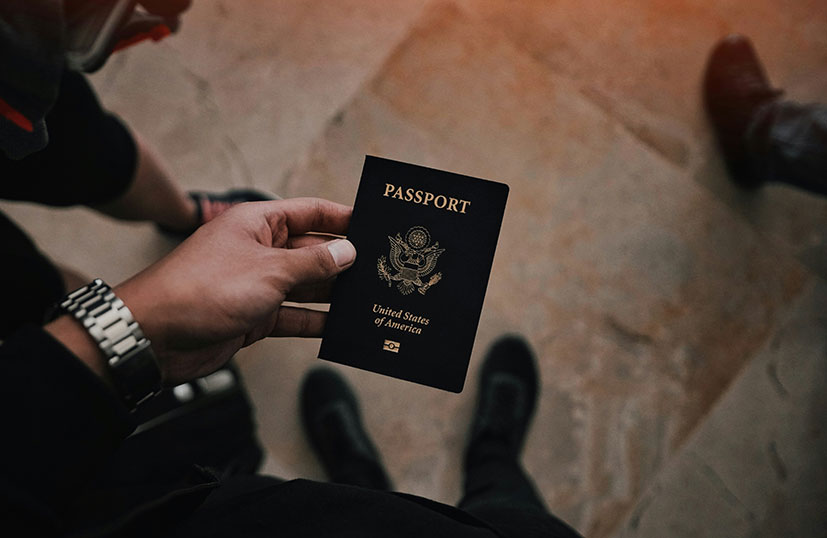
Before he leaves, he pats his pockets, wiggles a small blue booklet in the air. “Since this started, I’ve been carrying my passport, too.”
All at once, you take in his silhouette, features that felt so familiar, you didn’t pause to second-guess that he would feel fear, too. “Stay safe,” he says—and then he is gone, lost in the mist amidst the marching.
Brianna G. Reed is a student at the Institute of American Indian Arts.
Leave a Reply
You must be logged in to post a comment.